4 Ways Studios Notice a Coordinator Is Overloaded (And Where the Warning Comes Too Late)
8 October 2026 · 6 min read
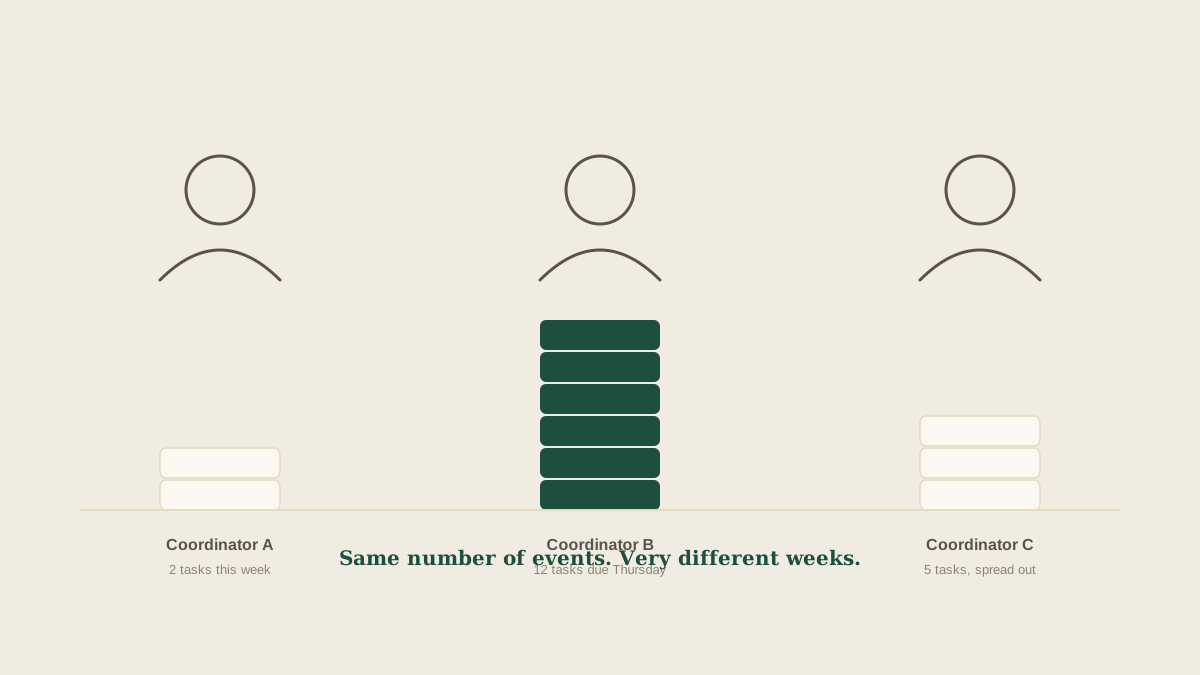
In most studios, workload is assigned by event. One coordinator has the Hendricks wedding, another has the garden party, and the lead planner splits the rest. It looks balanced because everyone has two or three events. It stops looking balanced the week three of those events hit their final-headcount deadlines at once.
The trouble is that an overloaded coordinator almost never says so. They are junior, or conscientious, or simply do not want to look like they cannot cope. The signal shows up as a vendor reply that sat for three days, or a deposit that went out a day late. Here are four ways studios try to catch the problem sooner, and where each one still fails.
1. Count the events each person has
The simplest measure is the number of weddings on each coordinator's plate. It is easy to see on a calendar and easy to explain in a team meeting.
The count hides almost everything that matters. A 300-guest wedding with a tent, a band, and a ceremony at a second venue is not the same workload as a 40-person elopement. Even two similar weddings are different depending on how far out they are. An event nine months away has a trickle of tasks. The same event three weeks out has a flood. Counting events treats a person with two quiet weddings the same as a person with two weddings that both peak this week.
2. Ask in the weekly check-in how everyone is doing
Many studios run a Monday check-in with a line for how people are feeling about their load. It builds trust, and it gives people a chance to speak up.
The weakness is that the answer is a feeling, and feelings run late. Someone answers "fine, busy but fine" on Monday, and by Wednesday three vendors have gone quiet at the same moment. People also answer for the week they are in, not for the one ahead, so a coordinator rarely flags a crunch that is still ten days away. And the people most likely to say fine are the ones who are not.
3. Read the lead planner's own sense of the team
Experienced planners develop a feel for who is stretched. They notice when a message is shorter than usual, or when someone has stopped asking questions. This is real information, and it is worth keeping.
It does not scale, though. The lead planner is usually the busiest person in the studio and has their own events to run, so their read on the team is partial and arrives in the gaps. It also lives in one head. If the lead is out for a week, nobody else knows who was close to the edge.
4. Look at open tasks by person and by date
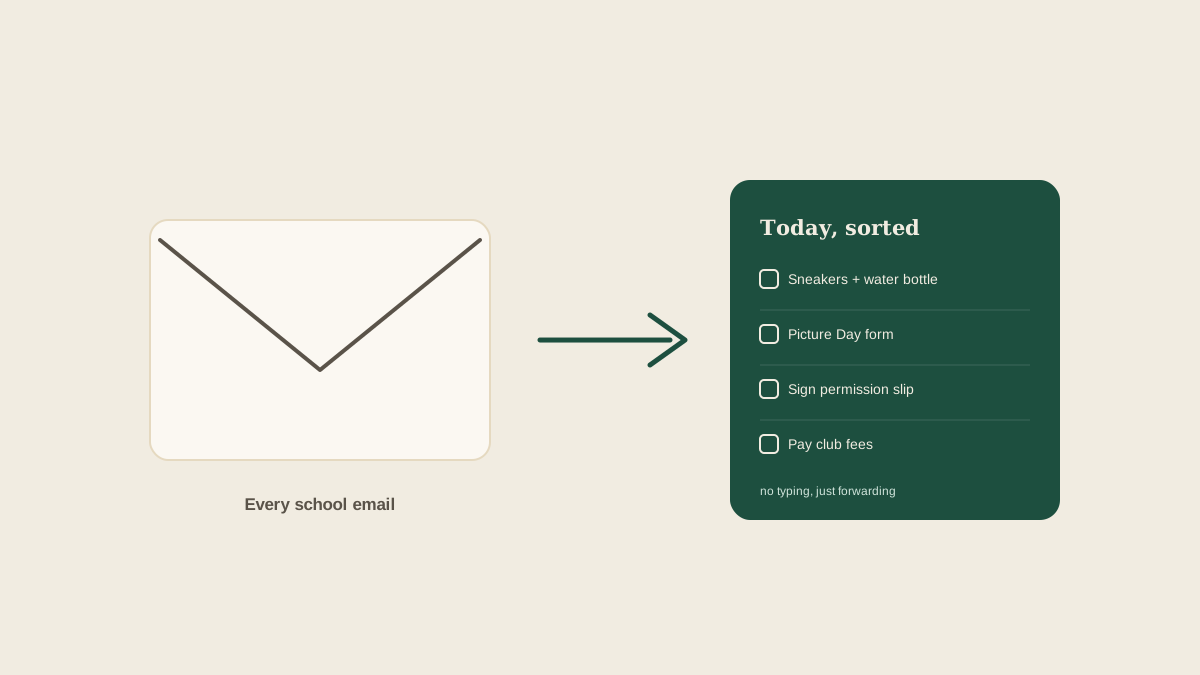
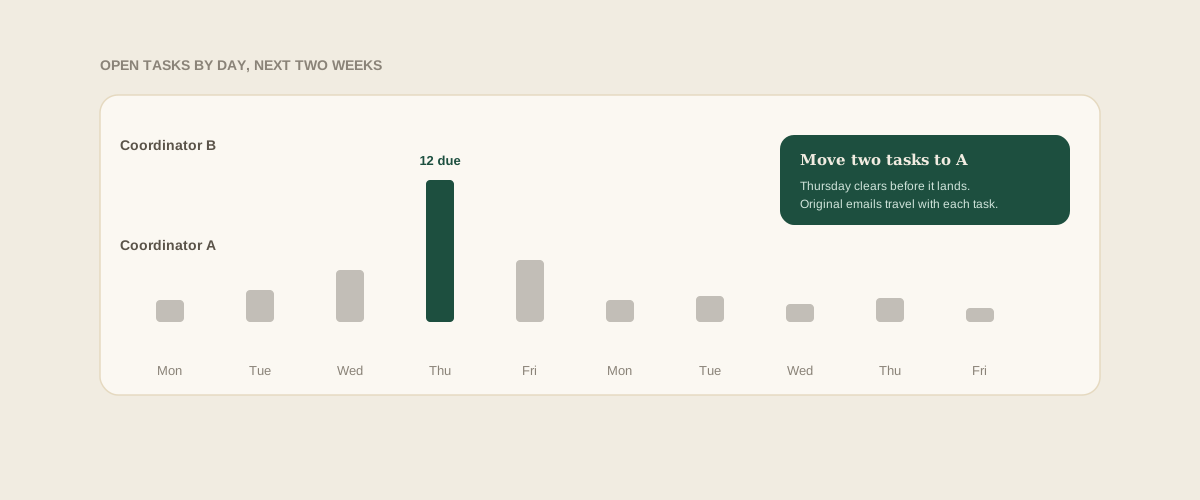
The fourth approach starts from the work itself. When vendor emails, contracts, and client texts are turned into tasks on a shared board, every task has an owner, an event, and a date. Glaard builds that board from what the studio forwards to its shared address, so nobody has to maintain a separate workload sheet. Filter the board by person and the next two weeks, and the picture is immediate: one coordinator has 31 open tasks with 12 due on Thursday, another has 14 spread evenly.
This view measures what the check-in tries to guess at. It shows not just how many tasks someone has but when they land, and a cluster of due dates is the real sign of overload. It also catches the thing that event counts hide, which is that two quiet-looking weddings can share a deadline week.
It has limits. A task count is not a measure of effort, since confirming a florist delivery takes five minutes and negotiating a venue change can take a day. Weight your reading by what the tasks actually are. And a board only shows what has been captured, so a coordinator who is handling things in side conversations will look lighter than they are.
What to look for on the board
Three patterns are worth checking every week. First, a due-date cluster: five or more tasks for one person landing on the same day. Second, overdue tasks owned by someone who is otherwise reliable, which is often the earliest sign that something has gone wrong. Third, an uneven split between coordinators during a week when one of them has a site visit or a day-of event, because those days remove most of their working hours.
Rebalance before the cluster, not after
Once you can see a cluster coming, moving work is easy. Reassign the vendor follow-ups for the event that peaks later, or hand a coordinator with room the routine confirmations while the overloaded one keeps the judgment calls. Because the original email and notes are attached to each task, the new owner does not need a briefing. They can pick up the task and read what the vendor actually said.
Make the rebalance a normal move rather than a rescue. If reassigning is a quiet, two-click action that happens every Monday, nobody feels singled out. If it only happens when someone is already behind, it feels like a verdict.
Where to start
This Monday, open your task list and filter it by person for the next ten days. Look for the day with the most tasks due against a single name. If it is higher than you expected, you have your answer about whether counting events is enough. Move two tasks before lunch and see how the week feels.
Frequently asked questions
How many open tasks is too many for one coordinator?
There is no universal number, because it depends on the tasks. A useful rule is to look at the peak day rather than the total. If one person has more due on a single day than they can realistically finish in a working day, that is overload even if their weekly total looks normal.
Does tracking workload feel like surveillance to the team?
It can, if it is used to judge people. Frame it as a way to move work earlier, and use it in front of the whole team. When coordinators see that a heavy board leads to help instead of criticism, they tend to prefer it to the guessing.
What if a coordinator keeps work off the board?
Make the board the only place a task counts as assigned. If a vendor request arrives by text or phone, it gets forwarded to the studio address the same day. Anything not on the board is not visible when you rebalance.
Should the lead planner take tasks back from an overloaded coordinator?
Sometimes, but it is often better to move routine tasks to another coordinator with room and keep the lead free for escalations. Taking work back to yourself just moves the overload to the one person who cannot easily hand it off.
Get your studio address, free
Get your studio address