4 Ways Studios Get a Client's Text-Message Change Request to the Right Vendor (And Where One Still Never Arrives)
8 October 2026 · 6 min read
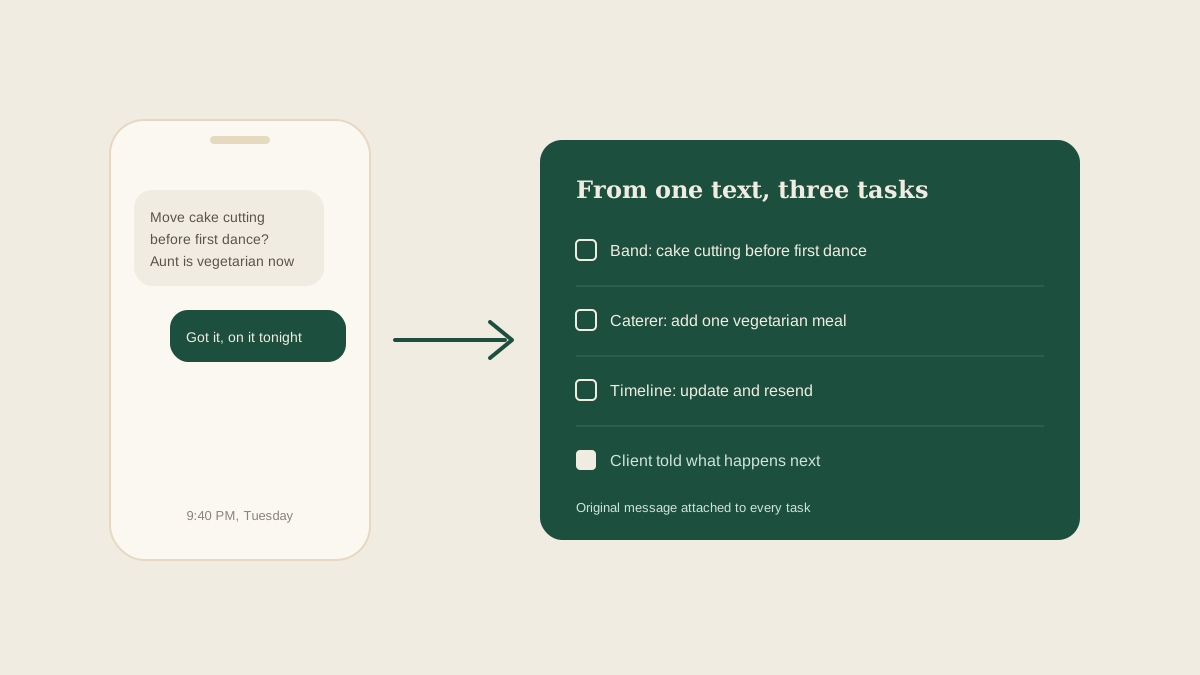
Most client changes do not arrive as a formal request. They arrive as a text at 9:40 on a Tuesday night: "Can we move the cake cutting before the first dance? Also my aunt is vegetarian now." Two changes, one message, and at least three vendors who need to hear about it: the caterer, the band, and the photographer. The client believes the job is done because they told you.
What happens in the next ten minutes decides whether those changes ever reach anyone. Here are four habits studios use to get a client's text to the right vendors, and where each one lets something through.
1. Reply to the client and plan to pass it on later
The most natural response is to answer the client right away ("Got it, I'll take care of it") and plan to email the vendors when you are back at your desk. It feels responsible, and the client is reassured.
The problem is the word later. The promise has been made, but nothing has been recorded anywhere except your own memory and a text thread that will be buried by tomorrow afternoon. If the next morning brings a vendor emergency, the cake cutting change is the first thing to fall off the list. Nobody notices until the band leader asks on the day why the order is different from the timeline.
2. Forward the text straight to the vendors
Some planners screenshot the message and send it to the affected vendors with a line such as "FYI from the bride." This is fast, and the vendor sees the client's own words.
The weakness is that a raw screenshot makes the vendor do the planner's job. A message with two requests and a joke about the aunt does not tell the caterer what is being asked or by when. Vendors also reply to screenshots in different ways, or not at all, and you end up with three answers in three places. Worse, the florist receives the cake cutting change, which does not concern them, and quietly learns to skim your forwards.
3. Retype the change into a spreadsheet or notes app
A more careful habit is turning the text into a line in a tracker: "Move cake cutting before first dance. Vegetarian meal +1." Now the change has a home, and the team can see it.
This works only as long as the person typing has time. It adds a step at exactly the moment the planner is busiest, and the entry is a summary rather than the original message. If the client wrote "before the first dance but after the toasts," a line that says "before first dance" has already lost something that the band will care about. Tracker rows also have no due date, so a change request can sit unactioned for days looking exactly like a finished one.
4. Forward the message once and let it become tasks
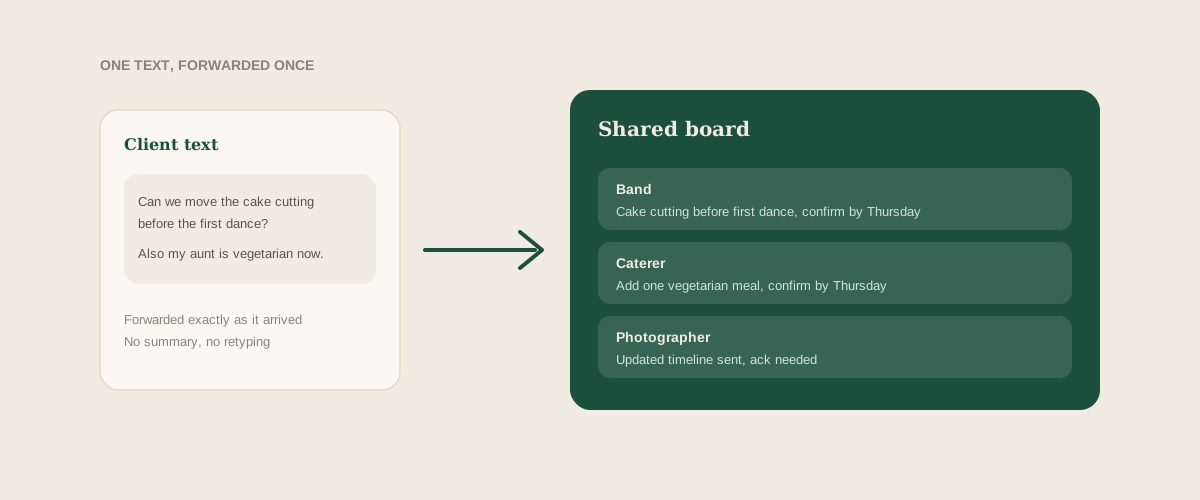
In the fourth version, the planner forwards the client's text, as a screenshot or a pasted message, to the studio's shared address and does nothing else. Glaard reads it exactly as it arrived and pulls out the separate actions: tell the band the cake cutting now comes before the first dance, ask the caterer to add one vegetarian meal, update the timeline. Each becomes its own task on the shared board with the wedding named, the original message attached, and a date to act by.
The planner has not summarized anything or decided in advance what counts as a task. The original wording stays attached, so when a coordinator picks up the band task, they can read what the client actually said. Because the board is shared, it also does not matter who received the text. A coordinator who was on a site visit can see the change by the time they are back in the car.
Its weakness is the same one every capture habit has: it only works for messages that get forwarded. A client who texts the photographer directly, or a planner who reads the message and forgets, leaves the change outside the system. The remedy is a simple rule, applied the same way every time. If a client asks for a change, the message gets forwarded the moment you read it, before you reply.
What a good handoff of a client change includes
Whichever habit you use, the handoff should carry four things. First, the exact change in the client's words. Second, the vendors it affects, listed by name. Third, a date by which each vendor must confirm. Fourth, a record that the client was told what happens next. If any of those is missing, you are relying on memory for the one part that matters.
Close the loop with the client
Clients send changes casually and assume they are free. When the task is created, reply with a short, specific message: "The band will move cake cutting before the first dance, and the caterer is adding one vegetarian meal. I'll confirm both by Thursday." It sets expectations, and it lets the client correct you if you misread the request, which is much better to learn on Wednesday than at the reception.
Where to start
For the next change a client sends by text, try the fourth habit once. Forward the message, look at the tasks that come out of it, and compare them with what you would have written down by hand. Check the weekend's timeline against the list. If the board already had the change before your next vendor call, you have your answer about which habit to keep.
Frequently asked questions
What if the client's text is vague or only half a request?
Forward it anyway so the original wording is on the board, then add a clarifying question to the client as its own task. A vague request is still a request, and it is better tracked as an open question than forgotten.
Should vendors see the client's original message?
Usually not. Vendors need the specific change and the date to confirm it, not the whole conversation. Keep the original on the studio's board for your team and send vendors a short, clear instruction.
What if a client sends changes straight to a vendor?
Ask clients to copy you, and ask vendors to forward anything a client sends them directly. Anything that reaches the studio, from either side, goes onto the board the same day.
How soon should a client change reach the vendors?
The same day when possible, and always before the vendor's own cutoff for that item. Rentals and catering counts often lock one to two weeks out, so ask each vendor for their cutoff early and note it on the board.
Get your studio address, free
Get your studio address