How to Keep Vendor Coordination From Resetting When Your Contact at the Vendor Changes
28 September 2026 · 6 min read
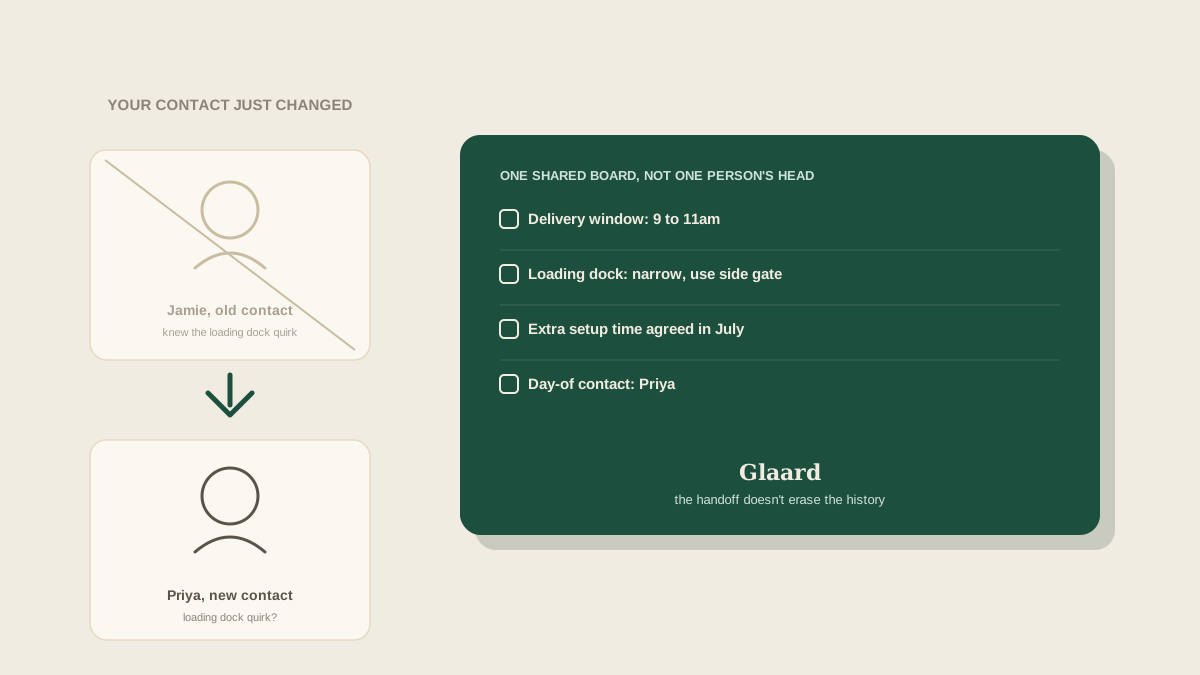
A studio doesn't usually lose vendor coordination because a vendor forgets something. It loses it because the person on the other end changes, quietly, in the middle of planning, and takes months of context with them. A florist's coordinator takes another job. A venue's sales rep hands the wedding off to the operations manager the week bookings close. A band's manager is replaced by someone new who has never seen the set list, the timeline, or the email agreeing to a later load-in. Nothing about the studio's own side of the coordination changed. Everything that was agreed with the person who used to be there now has to be re-established with someone who is starting from zero.
Why this resets more than a normal vendor delay
A late reply or a missed deadline is a known problem with a known fix: follow up, escalate, chase it down. A contact change is different because it doesn't look like a problem at first. The new person usually responds promptly, sounds professional, and seems perfectly capable, they just don't know any of the specifics the studio spent months agreeing to with someone else. The delivery window that was moved earlier after a scheduling conflict. The verbal promise that a second arrangement would be included at no extra charge. The detail that this particular florist needed extra setup time because of a tricky staircase. None of that was ever written down anywhere the new contact can see, because it lived in a relationship, not a document.
What actually gets lost in the handoff
It's rarely the big, contractual details that vanish, since those are usually in a signed agreement both sides can point back to. What disappears is everything that was agreed informally along the way: a small accommodation made after the fact, a workaround for a venue quirk, an understanding about who to call if something changes at the last minute. The old contact carried all of that in their head the same way a studio's own lead planner does. When they leave the account, that context doesn't transfer automatically. It has to be rebuilt, and rebuilding it depends entirely on the studio noticing what's missing before the wedding day exposes it.
The pattern is always the same
It doesn't matter which vendor type it is, the shape of the problem repeats. A studio has been coordinating with one person long enough to stop double-checking things, because that person already knows. Then a message arrives signed by someone new, often with no explanation beyond a short line like "I'll be taking over from here." The studio has two choices: treat the new contact as a stranger and re-confirm everything from scratch, or assume the handoff was clean and find out what wasn't carried over only when it matters, usually on the event day itself.

What to ask the moment a vendor mentions a handoff
The moment a vendor says someone new is taking over, that's the cue to re-confirm the specifics out loud rather than assume they carried over, even if it feels redundant. The arrival time and load-in window agreed on. Any change made from the original contract, including small favors or accommodations that were never formalized in writing. Who the actual point of contact is for questions on the event day itself, since it isn't always the same person who sent the handoff message. It takes one message to ask. It takes a lot more to discover the gap on-site, in front of a client.
Common mistakes
Assuming a professional-sounding handoff message means nothing was lost, when politeness and completeness are two different things. Continuing to email the old contact out of habit for weeks after they've stopped being involved, and finding out later those messages were never forwarded. Treating the new contact as fully briefed because they used the right vendor letterhead, without confirming they've actually seen the specific agreements made earlier in the process. Not updating whatever the studio is tracking with the new contact's own information, so a chase message weeks later still goes to someone who no longer works there.
Where to start
A vendor's own staff turnover isn't something a studio can prevent, people change jobs regardless of how the coordination is run. What's controllable is how quickly the gap gets closed once it happens: treating a new contact as someone who needs the full picture handed to them again, not assumed, and keeping that picture somewhere shared and current enough that re-briefing a new contact takes minutes instead of a scramble the week of the event.
Frequently asked questions
How do we even find out a vendor's contact has changed if they don't tell us directly?
Usually a name change in the email signature or a different sender address on a routine reply is the first sign, before any formal handoff message ever arrives. Worth treating any unfamiliar name replying on a vendor's thread as a cue to ask directly who is now handling the account, rather than assuming it's a temporary fill-in.
Should we ask the old contact directly what changed hands, if we can still reach them?
It's worth a try, but don't count on it. Once someone has left a role or moved off an account, they often aren't reachable, or aren't motivated to fill in gaps for a client they no longer own. The more reliable approach is re-confirming details with the new contact directly rather than chasing down the old one.
Does this only happen with larger vendor businesses that have multiple employees?
It's more common there, but it shows up with smaller operations too, a solo florist bringing on a second coordinator during a busy season, or a family-run rental company handing a wedding to a relative who just joined the business. Vendor size affects how often it happens, not whether it can happen at all.
What's the fastest way to re-confirm everything with a new contact without it feeling like an interrogation?
Frame it as a quick recap rather than a re-negotiation: a short message listing what was agreed, the arrival window, any custom arrangements, and the day-of contact, asked as "just confirming this is all still accurate on your end." It reads as thorough, not distrustful, and it surfaces a gap immediately if one exists.
Get your studio address, free
Get your studio address